

Ensjsi

Media, culture and society

Home - Formation

Presentation of the training course

The Media, Culture and Society specialisation trains students to analyse the media in terms of their social, cultural and symbolic dimensions. It is aimed at those who wish to understand the role of the media in the construction of identities, representations and social dynamics.

This programme develops skills in critical analysis of media discourse, the study of cultural practices and understanding the interactions between media and society. It prepares students to grasp contemporary issues in information, communication and culture, while providing them with a solid theoretical and methodological foundation.

School training courses

Media, culture and society

Level of education : Master's degree
Campus Alger
Department of Information Sciences

Continuing education

Certificate
Algiers Campus
Continuing Education

Master languages with CEIL

Output level : MASTER
Algiers Campus
The Intensive Language Center

Corporate communications

Level of education : Master's degree
Campus Alger
Department of Information Sciences
Geopolitics of the media

Level of education : Master's degree
Campus Alger
Department of Information Sciences

Digital Institutional Communication (new specialty)

Level of education: Master's degree
Campus Alger
Department of Information Sciences

Sports journalism

Level of education: Master's degree
Campus Alger
Department of Journalism
Broadcast and digital journalism

Level of education: Master's degree
Campus Alger
Department of Journalism

Science journalism

Level of education : Master's degree
Campus Alger
Department of Journalism

What can you do after studying Media, Culture and Society?

Students acquire skills in critically analysing the media and their social and cultural impact. They can enrol in media and communication studies programmes or pursue research.

Career opportunities

Media analyst

Media analysts observe and study the role and influence of the media in society. They collect and interpret data on media consumption, content and cultural trends. They prepare reports and recommendations for institutions, media outlets and communications agencies. Their work provides a better understanding of the social and cultural impact of information.

Social/Media Research Officer

Social and media researchers analyse audience practices and behaviours in relation to the media. They conduct surveys, studies and reports on cultural and social trends. They provide accurate data to guide communication and media policies. They work for research institutes, media organisations or cultural organisations.

Cultural communication consultant

Cultural communication consultants support institutions and organisations in their cultural projects. They develop strategies to promote heritage, events and artistic initiatives. They coordinate the dissemination of content and engage target audiences. Their role is central to enhancing visibility and cultural impact.


Specialist writer

Specialist writers produce written content on cultural and media topics. They adapt their texts to suit the audience and medium used (articles, analyses, reports). They may work for media outlets, scientific publications or cultural institutions. Their expertise enables them to convey complex information in a clear and relevant manner.

Admission procedure

Admission to this Master’s programme is subject to specific academic criteria. Admission is based on competitive examination, following review of the application.

To be eligible for admission to the competitive examination, candidates must hold a Bachelor’s degree in Information and Communication Sciences (or equivalent), obtained in the normal course of study, without repeating any years and with an
overall average of at least 13/20.

They must not have been subject to disciplinary sanctions nor already hold a Master’s degree in the same specialisation.

Registration is only possible online, with a complete application and the choice of a single specialisation.

Training programme

To find out more about the subjects, learning objectives and course structure, download the
full course programme.

Corporate communications

Home - Formation

Program Overview

The Media, Culture and Society specialization trains students to analyze media in their social, cultural, and symbolic dimensions. It is designed for those who seek to understand the role of media in shaping identities, representations, and social dynamics.

This program develops skills in critical analysis of media discourse, the study of cultural practices, and the examination of interactions between media and society. It provides students with a solid theoretical and methodological foundation to better understand contemporary issues related to information, communication, and culture.

School Programs

Media, culture and society

Level of education : Master's degree
Campus Alger
Department of Information Sciences

Continuing education

Certificate
Algiers Campus
Continuing Education

Master languages with CEIL

Output level : MASTER
Algiers Campus
The Intensive Language Center

Corporate communications

Level of education : Master's degree
Campus Alger
Department of Information Sciences

Geopolitics of the media

Level of education : Master's degree
Campus Alger
Department of Information Sciences

Digital Institutional Communication (new specialty)

Level of education: Master's degree
Campus Alger
Department of Information Sciences

Sports journalism

Level of education: Master's degree
Campus Alger
Department of Journalism

Broadcast and digital journalism

Level of education: Master's degree
Campus Alger
Department of Journalism

Science journalism

Level of education : Master's degree
Campus Alger
Department of Journalism
What can you do after the Media, Culture and Society specialization?

Graduates acquire strong skills in critical media analysis and in understanding the social and cultural impact of media. They can join media research institutions, communication organizations, or pursue academic research.

Career Opportunities

Media Analyst

The media analyst observes and studies the role and influence of media in society. They collect and interpret data on media consumption, content, and cultural trends. They prepare reports and recommendations for institutions, media outlets, or communication agencies. Their work helps to better understand the social and cultural impact of information.

Social and Media Studies Officer

The social/media research officer analyzes audience practices and behaviors toward media. They conduct surveys, studies, and reports on cultural and social trends. They provide accurate data to guide communication and media policies. They work for research institutes, media outlets, or cultural organizations.

Cultural Communication Consultant

The cultural communication consultant supports institutions and organizations in their cultural projects. They design strategies to promote heritage, events, and artistic initiatives. They coordinate content distribution and audience engagement. Their role is key to enhancing visibility and cultural impact.

Specialized Editor / Writer

The specialized editor produces written content on cultural and media topics. They adapt their texts to the audience and platform used (articles, analyses, reports). They can work for media outlets, academic publications, or cultural institutions. Their expertise allows complex information to be communicated clearly and effectively.

Admission Procedure

Admission to this Master’s program is subject to specific academic requirements. Selection is carried out through a competitive entrance exam following a review of the applicant’s academic record.

To be eligible, applicants must:

  • Hold a Bachelor’s degree in Information and Communication Sciences (or equivalent), obtained in the regular session

  • Have a smooth academic record with no repetitions

  • Achieve a minimum overall average of 13/20

Applicants must not have faced disciplinary sanctions and must not already hold a Master’s degree in the same specialization.

Registration is conducted exclusively online, with a complete application file and the selection of only one specialization.

Program Structure

To discover the course modules, learning objectives, and study organization, please download the full program outline.

Geopolitics of the media

Home - Formation

Program Overview

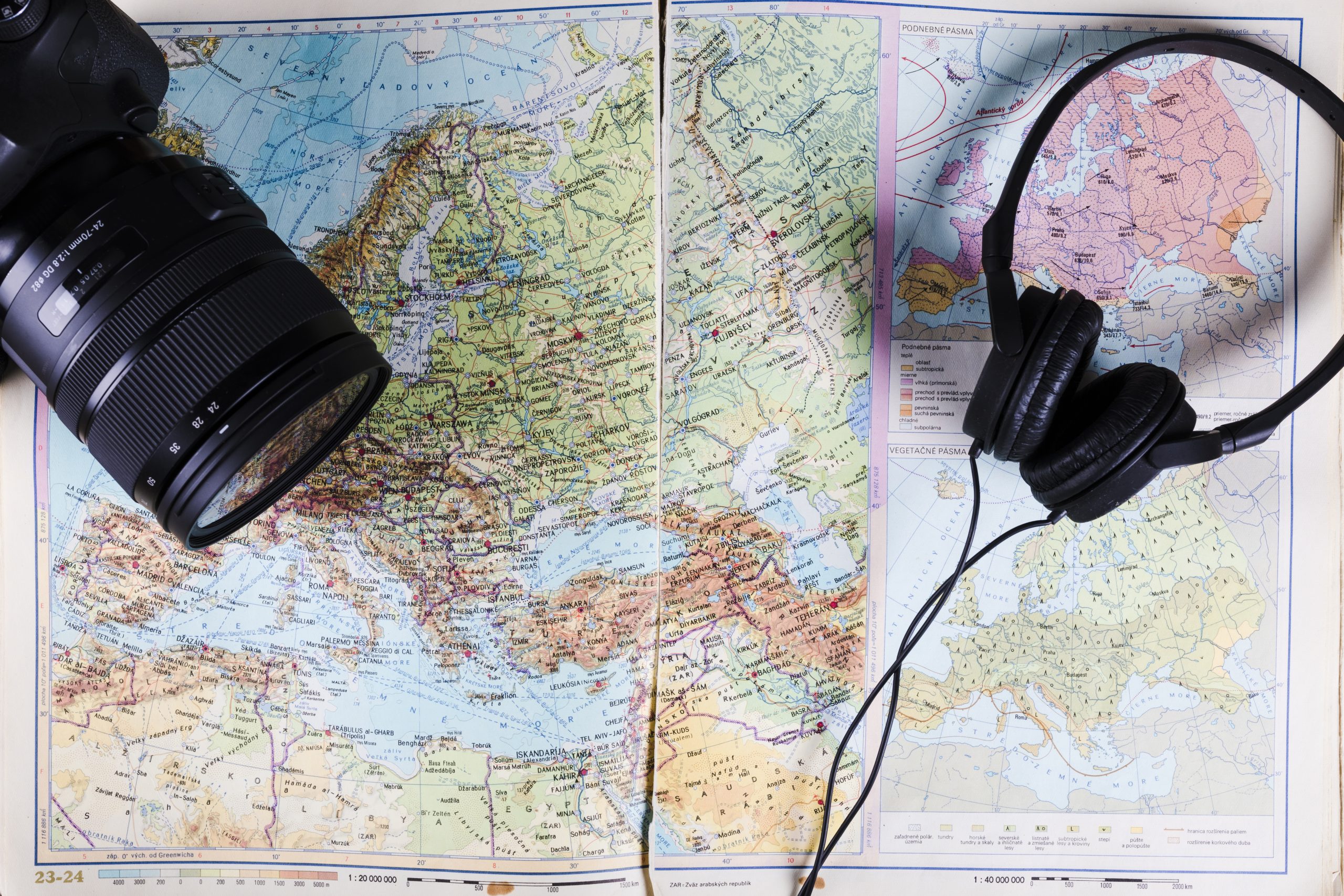
The Media Geopolitics program explores the relationships between media, power, conflicts, and public opinion. It prepares students to analyze and interpret media strategies within national and international geopolitical contexts.

The curriculum combines specialized courses, analytical workshops, media monitoring, and applied projects, enabling students to develop strong strategic and critical thinking skills.

School Programs

Media, culture and society

Level of education : Master's degree
Campus Alger
Department of Information Sciences

Continuing education

Certificate
Algiers Campus
Continuing Education

Master languages with CEIL

Output level : MASTER
Algiers Campus
The Intensive Language Center

Corporate communications

Level of education : Master's degree
Campus Alger
Department of Information Sciences

Geopolitics of the media

Level of education : Master's degree
Campus Alger
Department of Information Sciences

Digital Institutional Communication (new specialty)

Level of education: Master's degree
Campus Alger
Department of Information Sciences

Sports journalism

Level of education: Master's degree
Campus Alger
Department of Journalism

Broadcast and digital journalism

Level of education: Master's degree
Campus Alger
Department of Journalism

Science journalism

Level of education : Master's degree
Campus Alger
Department of Journalism
Career Opportunities After Media Geopolitics

Graduates acquire a strong geopolitical background and advanced skills in strategic media analysis. Career paths include media monitoring, expert analysis, and positions within national and international institutions.

Career prospects include

Media Geopolitical Analyst

The geopolitical media analyst studies the influence of media on international relations and public policies. They interpret media strategies of various actors and identify geopolitical trends. They prepare reports and recommendations for institutions or companies. Their role is essential in anticipating crises and understanding international public opinion.

Strategic Monitoring Officer

The strategic intelligence officer collects and analyzes relevant information to support organizational decisions. They monitor news, media trends, and developments in the geopolitical environment. They provide concise reports and strategic alerts. Their role is key in planning and making informed decisions.

Influence Communication Consultant

The influence communication consultant advises institutions or companies on their media and political strategies. They develop plans to strengthen message impact and credibility. They analyze stakeholders and public opinion to guide influence campaigns. They can work for public organizations, NGOs, or consulting firms.

International Journalist / Editor

The international editor produces written content for a global audience. They adapt messages to different cultural and geopolitical contexts. They write articles, analyses, and reports for media or international organizations. Their work enables effective communication on complex international issues.

Public Communication Advisor

The public communication advisor guides institutions in their relations with the public and media. They develop communication strategies suited to political and social issues. They prepare speeches, press releases, and institutional campaigns. Their role is crucial in strengthening transparency and public trust.

Admission Procedure

Admission to the Master’s program is subject to specific academic requirements and is granted through a competitive examination following a file review.

Applicants must hold a Bachelor’s degree in Information and Communication Sciences (or equivalent), obtained in a regular session, with no repeated years and a minimum overall average of 13/20.

Candidates must not have faced disciplinary sanctions and must not already hold a Master’s degree in the same specialization.

Registration is conducted exclusively online, with a complete application file and the selection of one specialization only

Program Structure

To discover the courses, learning objectives, and academic organization, download the complete training program.

Digital Institutional Communication (new specialty)

Home - Formation

Program Overview

The Digital Institutional Communication specialization trains professionals capable of managing institutional image and communication strategies across digital platforms.
It supports the digital transformation of public and private organizations through a practice-oriented and content-driven academic approach.

The program combines theoretical foundations, practical workshops, and applied projects, enabling students to develop operational skills aligned with current digital communication standards.

School Programs

Media, culture and society

Level of education : Master's degree
Campus Alger
Department of Information Sciences

Continuing education

Certificate
Algiers Campus
Continuing Education

Master languages with CEIL

Output level : MASTER
Algiers Campus
The Intensive Language Center

Corporate communications

Level of education : Master's degree
Campus Alger
Department of Information Sciences

Geopolitics of the media

Level of education : Master's degree
Campus Alger
Department of Information Sciences

Digital Institutional Communication (new specialty)

Level of education: Master's degree
Campus Alger
Department of Information Sciences

Sports journalism

Level of education: Master's degree
Campus Alger
Department of Journalism

Broadcast and digital journalism

Level of education: Master's degree
Campus Alger
Department of Journalism

Science journalism

Level of education : Master's degree
Campus Alger
Department of Journalism
Career Opportunities

Graduates and participants enhance their skills and knowledge, opening doors to new professional opportunities, promotions, or specialized roles in their field.

Career Paths

Digital Communication Manager

The digital communication manager oversees the organization’s online communication strategy. They coordinate digital campaigns, ensure message consistency, and maintain brand visibility across all digital channels. They analyze performance and suggest actions to achieve objectives. They work with marketing, creative, and technical teams to manage digital projects.

Social Media Manager

The social media manager manages an organization’s presence on social media platforms. They create and post content suited to each platform and engage with online communities. They track trends and analyze metrics to optimize engagement. They serve as the direct link between the brand and its audience on social networks.

Content Manager

The content manager designs, organizes, and oversees the creation of digital content for an organization. They ensure content is consistent, relevant, and aligned with strategic goals. They collaborate with marketing, communication, and design teams to produce text, videos, or visuals. Their role is key in strengthening the brand image and attracting the target audience.

E-reputation Officer

The e-reputation officer monitors the online image of an organization or individual. They analyze reviews, comments, and posts to prevent or manage crises. They propose corrective strategies and advise on digital communication. Their role is crucial to protect reputation and build trust with the public.

Admission Procedure

Admission to this Master’s program is subject to specific academic requirements. Selection is carried out through a competitive entrance exam following a review of the applicant’s academic record.

To be eligible, applicants must:

  • Hold a Bachelor’s degree in Information and Communication Sciences (or equivalent), obtained in the regular session

  • Have a smooth academic record with no repetitions

  • Achieve a minimum overall average of 13/20

Applicants must not have faced disciplinary sanctions and must not already hold a Master’s degree in the same specialization.

Registration is conducted exclusively online, with a complete application file and the selection of only one specialization.

Program Structure

To explore the courses, learning objectives, and schedule, download the full training program.